
Air Quality in Ho Chi Minh City 2026: What Expats Need to Know
20 May, 2026
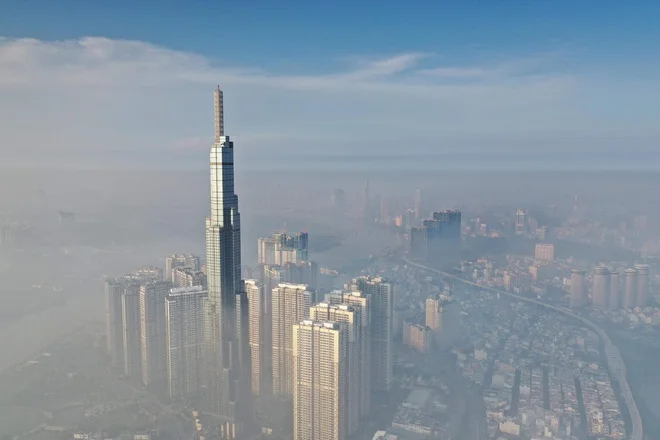
Air quality is one of the most frequently cited health concerns among expats living in Ho Chi Minh City. The city's rapid growth, high vehicle density, and industrial activity all contribute to air pollution levels that can significantly exceed World Health Organization guidelines on certain days. For newcomers and long-term residents alike, understanding what the data means and how to protect your health is an important part of living comfortably in Saigon in 2026.
Understanding AQI Levels in Ho Chi Minh City
The Air Quality Index (AQI) is the standard measure used to communicate daily air pollution levels. Readings below 50 are considered Good, 51 to 100 are Moderate, 101 to 150 are Unhealthy for Sensitive Groups, 151 to 200 are Unhealthy, and anything above 200 is considered Very Unhealthy or Hazardous. In Ho Chi Minh City, AQI readings most commonly fall in the Moderate to Unhealthy for Sensitive Groups range during normal conditions, with spikes into the Unhealthy range occurring regularly, particularly during dry season months from November to April. The primary pollutant of concern in HCMC is fine particulate matter (PM2.5), which is small enough to penetrate deep into the lungs and enter the bloodstream. The IQAir and AirVisual apps are widely used by expats to check real-time AQI readings for specific locations across the city.
Main Sources of Air Pollution in Saigon
Vehicle emissions are the dominant source of air pollution in Ho Chi Minh City. The city has millions of registered motorbikes, many of which are older models with less efficient engines, alongside a growing number of cars and trucks. Construction activity across the city, waste burning in suburban areas, and industrial emissions from factories in and around the city also contribute to pollution levels. Seasonal factors play a significant role: during the dry season, lower rainfall and wind speed allow pollutants to accumulate, resulting in worse air quality. Cross-border pollution from agricultural burning in Cambodia and other regional sources can also affect HCMC air quality during certain months. The Mekong Delta region's burning season, typically between January and April, is frequently associated with elevated pollution readings in the city.
Health Impacts of Poor Air Quality for Expats
For healthy adults, short-term exposure to moderate AQI levels causes minimal symptoms for most people, though some may notice eye irritation, throat discomfort, or mild respiratory issues. For expats with pre-existing respiratory conditions such as asthma, COPD, or allergies, Ho Chi Minh City's air quality presents a more significant concern and should be discussed with a doctor before relocation. Children and elderly individuals are also more vulnerable to the effects of air pollution. Long-term residents who have lived in the city for several years often note that their bodies adapt to some degree, though this does not diminish the underlying health risk from sustained exposure to elevated PM2.5 levels. Expat health insurance plans often cover respiratory consultations, and private clinics in the city are well-equipped to address air quality-related health concerns.
Practical Ways to Reduce Your Air Pollution Exposure in HCMC
There are several practical steps expats can take to reduce their daily exposure to air pollution in Ho Chi Minh City. Using a high-quality N95 or KN95 mask when outdoors during high-pollution periods is one of the most effective individual measures available. Checking the AQI before outdoor exercise and avoiding outdoor activity during peak pollution hours, typically early morning and evening rush hours, reduces exposure meaningfully. Running air purifiers with HEPA filters at home is widely recommended among the expat community, particularly in bedrooms where you spend significant overnight hours. Popular brands used by expats in HCMC include Blueair, Xiaomi, and Philips, all of which are available locally. Keeping windows closed during high-pollution periods and prioritising air-conditioned spaces when AQI is elevated are also effective strategies.
Air Quality in Different Districts of Ho Chi Minh City
Air quality varies across Ho Chi Minh City's districts, though all areas are affected by the city's overall pollution levels. Central districts such as District 1, District 3, and Binh Thanh tend to have higher pollution from vehicle traffic and construction. Districts further from the dense city centre, such as parts of District 2 (Thu Duc), District 7, and the outer suburban areas, generally record slightly better air quality readings, though the difference is not dramatic enough to be a primary factor in residential location decisions. The riverside areas along the Saigon River benefit from some air movement, and properties on higher floors of apartment buildings typically experience somewhat cleaner air than street-level locations in congested areas. Green spaces such as Tao Dan Park and Dam Sen Park provide small pockets of cleaner air in the city centre.
Monitoring Tools and Resources for Expats
Several tools are available to help expats monitor air quality in Ho Chi Minh City. The IQAir website and app provides real-time AQI data from monitoring stations across the city, including PM2.5 readings and forecasts. AirVisual is another popular option with similar functionality. The Vietnamese government's air quality monitoring network has expanded in recent years, though data coverage remains uneven across all districts. Some expat communities share air quality data and tips through social media groups and expat forums, which can be a useful source of localised information and practical advice. Setting up AQI alerts on your phone so you are notified when levels exceed a certain threshold allows you to plan outdoor activities accordingly without needing to check constantly.
Related Articles
- US Expat in Ho Chi Minh City 2026 - Practical guide for Americans covering all aspects of living in Saigon.
- Cycling in Ho Chi Minh City 2026 - Is biking a realistic transport option for expats in Saigon?
- Vietnam's Metro Line 1 in 2026 - How the metro is changing expat commutes in Ho Chi Minh City.
