
Cycling in Ho Chi Minh City 2026: Is Biking a Realistic Option for Expats?
20 May, 2026
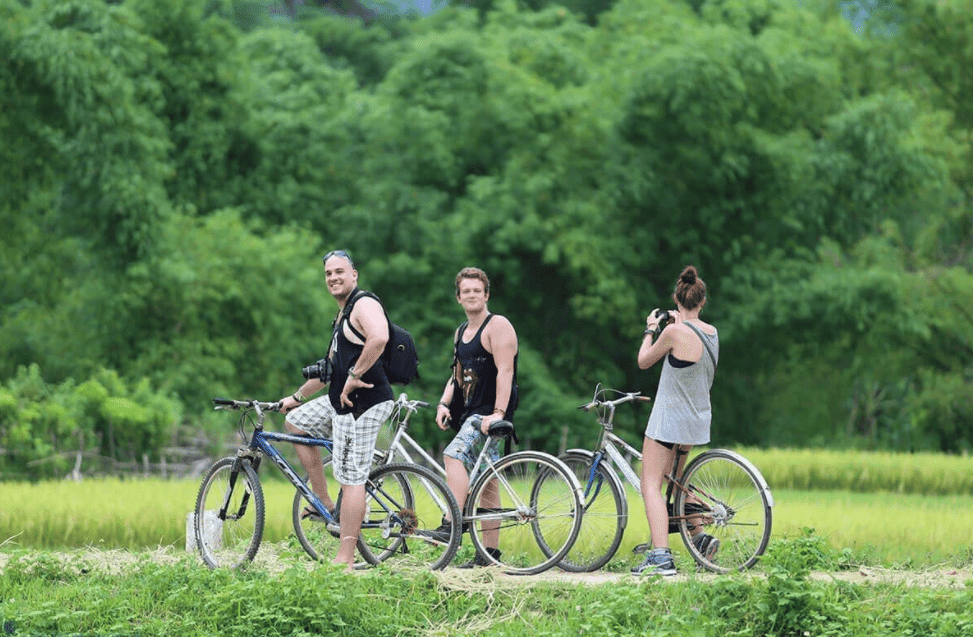
Cycling in Ho Chi Minh City has long been associated with extreme risk and near-impossible traffic conditions. But in 2026, with improving cycling infrastructure, dedicated lanes in certain districts, and a growing community of expat cyclists, the question of whether biking is a realistic daily option deserves a more nuanced answer. This guide examines the practicalities, routes, risks, and equipment needed for cycling in Saigon as an expat.
The State of Cycling Infrastructure in HCMC 2026
Ho Chi Minh City has invested in cycling infrastructure over recent years, with dedicated bike lanes now operational along parts of Vo Van Kiet Boulevard, some sections of District 2, and within Phu My Hung in District 7. The city has also expanded its public bicycle-sharing scheme, VinBike, which provides rental bikes at docking stations across central areas and parts of the inner districts. However, the infrastructure remains patchy. Many lanes are shared with motorbikes or blocked by parked vehicles, and the coverage across the city is far from comprehensive. For short, targeted routes in lower-traffic areas, cycling is increasingly viable. For cross-city commuting through central districts, the challenges remain significant.
Is Cycling Safe for Expats in Ho Chi Minh City?
Safety is the most important consideration for expats thinking about cycling in Saigon. Traffic in the city is dense and fast-moving, with motorbikes dominating the road space and vehicle behaviour that can be unpredictable for those unfamiliar with it. That said, many expats do cycle regularly and do so safely by following some core principles: cycling during off-peak hours, using less congested routes through residential streets, wearing high-visibility gear, using a quality helmet, and equipping bikes with front and rear lights. Early morning cycling, before 7am, is particularly popular among fitness cyclists who use this window to navigate the city with significantly lower traffic volumes. Cycling at night without lights is genuinely dangerous and should be avoided entirely.
Best Routes for Cycling in HCMC in 2026
The riverside path along the Saigon River in District 2 is one of the most scenic and pleasant cycling routes in the city, with relatively low motor traffic and good surface conditions. The road network within Phu My Hung in District 7 is well-maintained, wide, and comparatively quiet, making it a favourite for recreational cyclists. Thao Dien and An Phu in District 2 have quieter residential streets that are manageable for both commuter and leisure cycling. For those commuting from District 2 to District 1, the Thu Thiem Tunnel is not accessible by bicycle, but the Thu Thiem Bridge and ferry crossing offer alternatives. Most experienced expat cyclists plan routes using a combination of Google Maps cycling mode and local cycling community advice, as conditions on the ground change faster than official maps update.
What Type of Bike Is Best for Saigon?
Road conditions in Ho Chi Minh City vary considerably, from well-maintained boulevards to rough backstreet surfaces with potholes. For this reason, a hybrid bike or a mountain bike with moderate tyre width is generally more practical than a pure road bike with narrow tyres. Folding bikes are popular among those combining cycling with other transport, such as taking the new Metro Line 1 for part of a journey. Electric bikes are increasingly common and provide a practical advantage in the heat and humidity, reducing the effort required and extending the viable commuting range. Security is a genuine concern; always use a high-quality U-lock in addition to any cable lock, as bike theft does occur in busier areas of the city.
Cycling Culture and Community for Expats in Saigon
There is an active and welcoming cycling community in Ho Chi Minh City, with several expat-focused groups organising regular rides. The Saigon Cycling Club and various social media groups coordinate weekend group rides, often starting from District 2 or District 1 early in the morning. These group rides are a good way to discover safer routes, connect with experienced local cyclists, and build confidence on the city roads. Several specialist bike shops in the city offer maintenance, repairs, and expert advice, with a concentration of shops in District 3 and District 10. The community is broadly positive about the direction of cycling infrastructure development, even while acknowledging that the city has a long way to go relative to cycling-friendly cities in other countries.
Cycling vs Other Transport Options for Expats
For most expats, cycling will complement rather than replace other forms of transport in Ho Chi Minh City. Grab remains the most convenient option for cross-city trips and bad weather. Motorbike taxis and private motorbike use cover mid-range distances efficiently. The new Metro Line 1 opens up a different set of commuting possibilities for those living and working along its corridor. Cycling makes most sense as a primary transport option for expats in specific situations: those living and working within District 2 or District 7, those with fitness or environmental motivations who are prepared to plan routes carefully, or those in areas with good cycling infrastructure nearby. For longer distances and in peak hours, combining cycling with other options is the most practical approach.
Related Articles
- US Expat in Ho Chi Minh City 2026 - Practical guide for Americans covering all aspects of living in Saigon.
- Moving to Ho Chi Minh City 2026 - Complete expat relocation checklist to help you settle in quickly.
- First Week in Saigon - Practical guide covering everything you need to do in your first days after arriving.
