
Moving to Ho Chi Minh City 2026: Complete Expat Relocation Checklist
16 May, 2026
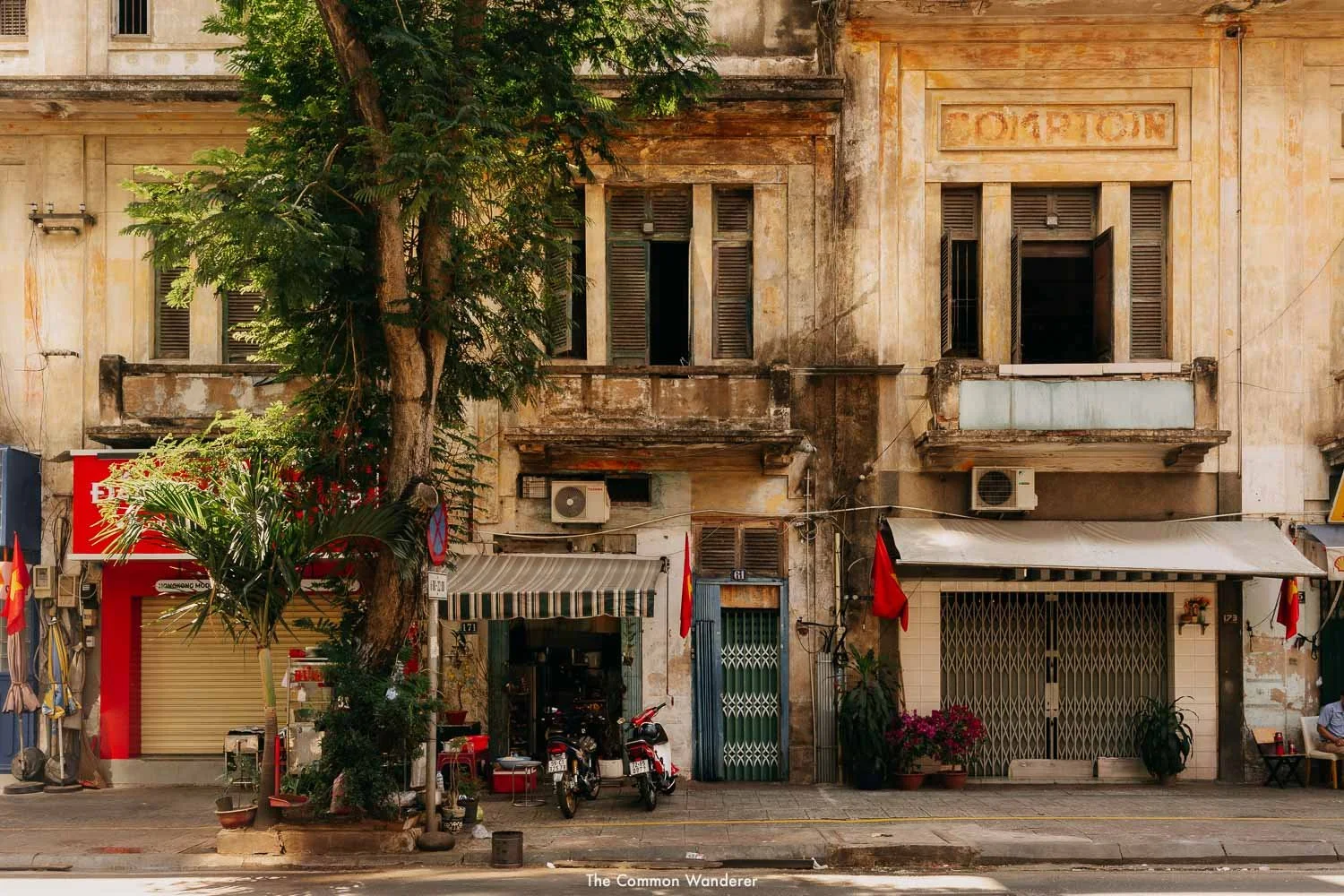
Relocating to Ho Chi Minh City is one of the most rewarding moves an expat can make in 2026. The city offers a compelling combination of affordable urban living, a thriving international community, excellent food, and genuine career opportunities across technology, finance, education, and hospitality. However, a successful move requires careful preparation. This checklist walks you through every major step, from pre-departure planning to your first weeks on the ground, so you can arrive in Saigon ready to hit the ground running.
Before You Leave: Pre-Departure Checklist
The most important preparation happens before you pack a single box. Start by securing the right visa for your situation. Most working expats in 2026 will need either a Business Visa (DN) or a Work Permit combined with a Temporary Residence Card (TRC). Tourist visas are not appropriate for long-term stays and cannot be renewed indefinitely. If your employer is sponsoring your move, confirm with HR that your work permit paperwork has been submitted well in advance, as processing can take four to eight weeks.
Get your health checked and vaccinations updated before departure. Recommended vaccinations for Vietnam include Hepatitis A and B, Typhoid, Japanese Encephalitis, and Rabies if you plan outdoor activities. Visit your doctor at least six weeks before your move date to allow time for multi-dose vaccine courses. Collect copies of all prescriptions and a full medical history summary in English, as this will be invaluable if you need to see a doctor in HCMC.
Sort out your finances early. Notify your home bank of your move date to avoid blocked transactions. Open a multi-currency account or get a low-fee international card such as Wise or Revolut to manage the transition period before you open a local Vietnamese bank account. Budget for your first three months including deposit, rent, furniture, and setup costs, which can easily reach USD 5,000 to 10,000 for a comfortable expat relocation.
Finding Your First Home in Ho Chi Minh City
Housing is the single most important decision you will make when relocating to HCMC, and it pays to do serious research before arriving. The most popular expat districts in 2026 are District 2 (particularly Thao Dien and An Phu), District 1 (the central business district), Binh Thanh, and District 3. Each has a distinct character and price range. Thao Dien suits families who want international schools and a villa lifestyle; District 1 suits professionals who want to be at the centre of the city's business and social life.
Aim to secure short-term accommodation for your first two to four weeks so you can view properties in person before committing to a long lease. Serviced apartments are ideal for this transition period. Once you have a feel for the city and the neighbourhoods, work with a reputable expat-focused agency to find your long-term home. Lease agreements in HCMC are typically 12 months with a two-month deposit, and negotiation on both price and terms is normal practice.
Registering Your Residence and Legal Requirements
Once you have a fixed address, your landlord is legally required to register your temporary residence with the local ward police within 24 hours of you moving in. In practice, many landlords handle this as standard procedure, but confirm explicitly that it has been completed. Failure to register can create complications when you apply for a Temporary Residence Card (TRC), which replaces the need for repeated visa renewals and is strongly recommended for any expat planning to stay longer than three months.
If you are bringing a vehicle, note that foreign driving licences need to be converted to a Vietnamese licence after three months of residency. The process requires a valid home country licence, an International Driving Permit (IDP), a medical certificate, and completion of a local traffic law test. For most expats, hiring a car or using ride-hailing apps such as Grab is a practical alternative to vehicle ownership in the short term.
Banking and Financial Setup in HCMC
Opening a Vietnamese bank account is a priority in your first two weeks. The most commonly used banks by expats are Vietcombank, HSBC Vietnam, and Techcombank. Requirements typically include your passport, visa or TRC, a local phone number, and proof of address (your rental contract). HSBC Vietnam is particularly popular with expats due to its English-language service and international transfer capabilities. Most banks can set up an account within one to two working days.
Register for internet banking immediately, as most utility payments, school fees, and service bills in HCMC can be paid digitally. Mobile payment apps such as Momo are widely used and make everyday payments significantly easier once you have a Vietnamese bank account and phone number linked.
Healthcare and International Insurance
Arrange international health insurance before you arrive, or confirm that your employer-provided coverage is active in Vietnam. Quality private hospitals in HCMC that are well-regarded by the expat community include FV Hospital in District 7, Vinmec International Hospital in Landmark 81, and Family Medical Practice with clinics across multiple districts. For dental care, Columbia Asia and Nhan Tam Dental are reliable choices used regularly by expats.
Pharmacy access in HCMC is excellent, with international-standard pharmacies such as Pharmacity and Long Chau on nearly every main street. However, prescription medication from your home country may not always be available, so carry a three-month supply of any essential medications and bring the generic drug names in case you need to source alternatives locally.
Schools for Expat Families in Ho Chi Minh City
If you are relocating with children, school placement should be arranged several months before your move date, as spaces at leading international schools fill quickly. The most established international schools in HCMC in 2026 include the British International School (BIS), European International School (EIS), Australian International School (AIS), and the International School Ho Chi Minh City (ISHCMC). Annual fees range from USD 15,000 to USD 30,000 per child, and many employers in senior roles include school fees in relocation packages.
Register on waiting lists as early as possible, even before your move date is confirmed. Many schools in Thao Dien and District 7 have virtual assessment and registration processes that allow families to begin the application process from abroad.
Getting Connected: SIM Cards, Internet, and Utilities
Buying a local SIM card on arrival is one of the first things you should do. Viettel, Mobifone, and Vietnamobile all offer prepaid and postpaid plans with strong 4G coverage across HCMC. A data-heavy prepaid SIM for the first month costs around VND 100,000 to 200,000 (roughly USD 4 to 8) and can be purchased at the airport. Home internet is typically included in serviced apartments; for standalone rentals, FPT and Viettel offer fibre plans starting from around VND 200,000 per month.
Electricity and water are usually paid directly to the landlord or managed through a building service charge. Confirm the billing arrangement with your landlord before signing the lease to avoid unexpected costs.
Getting Around Ho Chi Minh City
Grab is the dominant ride-hailing platform in HCMC and handles both motorbike taxis (GrabBike) and cars (GrabCar). It is reliable, safe, and significantly cheaper than metered taxis for most journeys. Download the app and link a payment card before you arrive. For daily commutes, many expats opt for a motorbike after three to six months in the city, which dramatically increases your mobility and is a genuinely enjoyable way to navigate the city once you are comfortable with local traffic. The metro connecting Saigon station to Thu Duc was fully operational by 2025 and is increasingly popular for commuters in the east of the city.
Building Your Expat Network
HCMC has one of the most active and welcoming expat communities in Southeast Asia. Key platforms for making connections include the Expats in Ho Chi Minh City Facebook group, InterNations HCMC chapter, and a growing network of co-working spaces such as Toong and Dreamplex that host regular networking events. Joining a sports league, a running club, or a language exchange group is an effective way to build genuine friendships quickly. The city rewards those who engage with it openly.
Related Articles
- First Week in Saigon: Practical Guide for Newly Arrived Expats 2026 — Your day-by-day guide to the most important tasks in your first seven days in Ho Chi Minh City.
- Vietnam SIM Card and Internet Guide for Expats 2026 — Everything you need to know about mobile data, home internet, and staying connected in Vietnam.
- Renting in Thao Dien District 2 HCMC 2026 — A detailed look at the neighbourhood most popular with expat families and professionals.
