
Vietnam SIM Card & Internet Guide for Expats 2026: Which Provider to Choose
16 May, 2026
Getting connected in Vietnam is one of the first practical steps every newly arrived expat should take, and the good news is that it is fast, cheap, and straightforward. Mobile data in Vietnam is among the most affordable in Southeast Asia, and coverage in Ho Chi Minh City is excellent across all major providers. This guide walks you through everything you need to know about SIM cards, mobile data plans, and home internet options in Vietnam in 2026, so you can make the right choice for your lifestyle and budget.
The Three Main Mobile Providers in Vietnam
Vietnam's mobile market is dominated by three state-affiliated operators: Viettel, Mobifone, and Vietnamobile. Each has slightly different strengths, and the right choice depends on how you use your phone and where you spend most of your time.
Viettel is the largest and most widely recommended provider for expats in HCMC. It has the most extensive 4G coverage across the city and into rural areas, the strongest signal in basements and large buildings, and generally the most reliable network performance. If you frequently travel outside the city or need consistent connectivity in less central areas, Viettel is the clear first choice. Viettel also has the largest retail network, making top-ups and service visits easy.
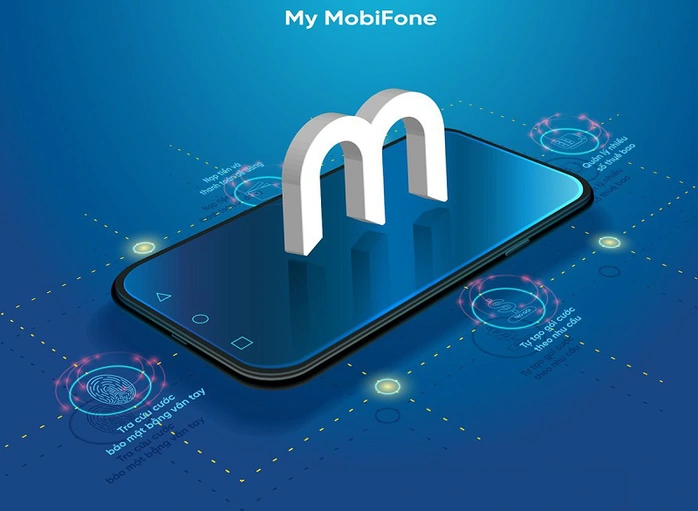
Mobifone is the second major operator and is particularly strong in central HCMC and residential districts popular with expats such as District 2, District 1, and Binh Thanh. Many expats in Thao Dien and the city centre report excellent Mobifone performance, and the operator tends to offer competitive data bundles at mid-range price points. It is also widely regarded as having the most helpful customer service among the three.
Vietnamobile is the smallest of the three major operators and is typically recommended for expats who primarily need a cheap local number for calls and SMS, rather than heavy data usage. Coverage and signal quality in HCMC are adequate for everyday use in the central areas, but the network can be less reliable in peripheral districts and in larger buildings.
Prepaid SIM Cards: What to Expect
All three operators offer prepaid SIM cards available at their official stores, airport kiosks, and many convenience stores across HCMC. To purchase a SIM card in Vietnam, you will need to present your passport, and the retailer will register the SIM to your identity as required by Vietnamese telecommunications law. The process takes around five to ten minutes at an official store.
Prepaid SIM cards typically cost between VND 20,000 and VND 50,000 for the physical SIM, with the first data bundle loaded separately. A popular starting package from Viettel is the V90 plan at VND 90,000 per month (approximately USD 3.50), which provides 3GB of fast data per day and unlimited domestic calls. Mobifone's equivalent packages are priced similarly and offer comparable data volumes. These prices make Vietnamese mobile data one of the best value propositions in the region for expats.
Top-up is easy and can be done via the operator's app, at any convenience store, or at official retail shops. Alternatively, electronic top-ups through VNPay, Momo, and major banking apps work seamlessly once you have a local bank account set up.
Postpaid Plans for Long-Term Expats
If you are staying in HCMC for more than three months, converting to a postpaid (contract) plan offers several advantages: a fixed monthly bill, easier roaming activation for regional travel, and sometimes better customer service priority. Postpaid plans from Viettel and Mobifone for individual users start from around VND 150,000 to VND 200,000 per month and typically include unlimited data (with speed throttling above a threshold), unlimited domestic calls, and a modest international call allowance.
To sign up for a postpaid plan, you will need your passport and a valid visa or Temporary Residence Card. Most major operator stores in HCMC can process a postpaid registration in under an hour. Note that monthly bills are typically sent via SMS and can be paid through the operator's app or at any official retail location.
eSIM Options in Vietnam 2026
eSIM support has expanded significantly in Vietnam in recent years. Viettel and Mobifone both offer eSIM activation for compatible devices, which is particularly useful for expats arriving with newer iPhone or Android flagship models who do not want to replace their physical SIM. eSIM activation can be completed at official stores and takes around 15 to 30 minutes. International eSIM services such as Airalo and Holafly also offer Vietnam data plans for short-term visitors, though local operator eSIMs are generally better value for longer stays.
Home Internet: Options for Expat Renters in HCMC
Most serviced apartments and many managed apartment buildings in HCMC include fibre internet as part of the monthly rent or building service charge. Speeds are typically 100Mbps to 300Mbps, which is more than sufficient for video calls, streaming, and remote work. If your apartment does not include internet, setting up a new connection is straightforward.
FPT Telecom and Viettel are the two most popular home internet providers for expats in HCMC. Both offer fibre-optic packages with speeds ranging from 50Mbps to 500Mbps or more, at monthly prices from VND 180,000 to VND 350,000 (approximately USD 7 to 14). Installation is typically completed within two to three working days of signing up. VNPT is a third option, particularly in districts where FPT or Viettel infrastructure coverage is limited, but it is less commonly used by expats.
To sign up for home internet, contact the provider directly through their website or by visiting a service centre. You will need your rental contract, passport, and confirmation of your registered address. In most buildings, your landlord or property manager may already have a preferred provider relationship and can facilitate the setup.
Wi-Fi Quality in HCMC Cafes and Co-Working Spaces
Wi-Fi coverage in Ho Chi Minh City's cafes, restaurants, and co-working spaces is generally very good. Most cafes in Thao Dien, District 1, and District 3 offer free Wi-Fi with usable speeds. Co-working spaces such as Toong, Dreamplex, and Work Saigon specifically cater to the remote-working expat community and offer reliable, high-speed connections suitable for video conferencing and heavy data tasks.
For expats who work from home or rely on their connection for professional purposes, supplementing apartment Wi-Fi with a mobile data backup is strongly recommended. Vietnamese internet infrastructure, while generally excellent, does occasionally experience outages, and having a Viettel or Mobifone data plan as a backup ensures continuity when needed.
International Roaming: Calling Home from Vietnam
International calls from Vietnamese SIM cards can be expensive using standard minute rates. The most cost-effective approach for most expats is to use internet-based calling through WhatsApp, FaceTime, Zoom, or similar apps for regular communication with family and friends abroad. If you need to make traditional international calls, check your operator's IDD rates carefully, as they vary significantly by destination. Viettel and Mobifone both offer discounted international calling packages that can reduce costs substantially for regular callers.
Related Articles
- First Week in Saigon: Practical Guide for Newly Arrived Expats 2026 — A day-by-day guide covering everything you need to do in your first seven days in HCMC.
- Moving to Ho Chi Minh City 2026: Complete Expat Relocation Checklist — The full pre-arrival planning guide for expats relocating to Saigon.
- District 1 HCMC Living Guide for Expats 2026 — Everything you need to know about living in the heart of Ho Chi Minh City.
