
US Expat in Ho Chi Minh City 2026: Practical Guide for Americans Living in Saigon
20 May, 2026
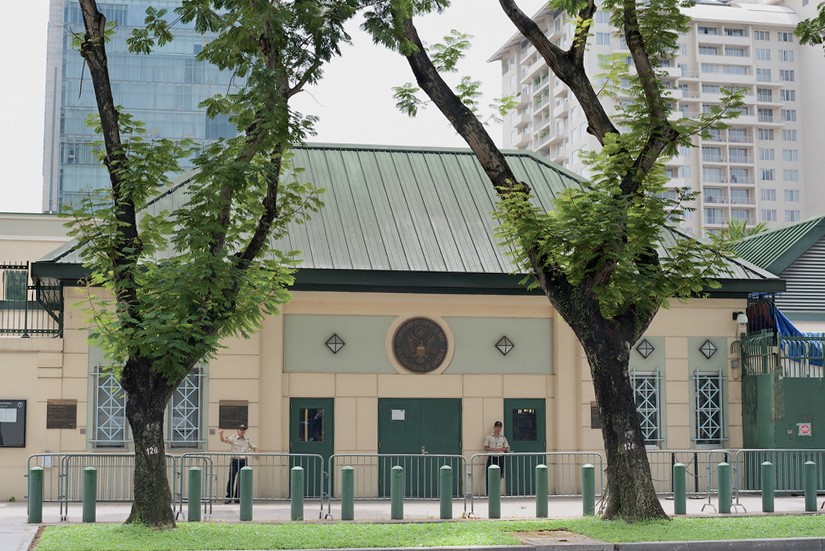
Ho Chi Minh City has become one of Southeast Asia's most popular destinations for American expatriates. With a low cost of living, warm climate, vibrant food scene, and a growing professional community, Saigon offers a quality of life that attracts thousands of US nationals each year. This guide covers everything Americans need to know about living in Ho Chi Minh City in 2026, from visa options and banking to healthcare and finding a home.
Visa Options for Americans in Vietnam 2026
US passport holders can enter Vietnam visa-free for up to 45 days under the current bilateral agreement. For longer stays, the most common options are the e-visa (valid for up to 90 days, single or multiple entry) and the one-year multiple-entry visa, which is suitable for expats on longer assignments. Americans working in Vietnam require a work permit issued through their employer, along with a corresponding business visa or temporary residence card (TRC). The TRC is the preferred long-term solution, as it removes the need for visa runs and allows holders to open bank accounts and sign leases with greater ease. Processing times and requirements change periodically, so it is worth consulting a reputable immigration agent or your company's HR team for the most current guidance.
Banking and Finances for US Expats in HCMC
Opening a local bank account in Vietnam as an American is straightforward if you hold a valid temporary residence card or work permit. Vietcombank, HSBC Vietnam, and Techcombank are popular choices among expats. US citizens should be aware of FATCA reporting obligations and inform their home bank about their overseas address to avoid account restrictions. Transferring money between the US and Vietnam is most cost-effectively done through services such as Wise or through your employer's payroll arrangements. ATMs are widely available across the city, and most international cards work without issue, though withdrawal fees apply. Major supermarkets, international restaurants, and co-working spaces accept Visa and Mastercard, but cash remains king in local markets and smaller establishments.
Healthcare for Americans Living in Saigon
Ho Chi Minh City has a strong private healthcare sector that caters well to expatriates. Facilities such as FV Hospital, Vinmec, and Columbia Asia offer international-standard care with English-speaking staff. American expats should arrange comprehensive health insurance before arriving, as treatment costs at private hospitals, while lower than the US, can still be significant without coverage. Dental care is particularly affordable and high quality, attracting medical tourists from across the region. For routine prescriptions, pharmacies across the city stock a wide range of medications, many of which are available without a prescription. Emergency services are accessible, though response times can vary by district, and most expats prefer to travel to a private hospital rather than rely on the public system.
Finding a Home: Best Neighborhoods for American Expats
District 2 (Thu Duc City), particularly the Thao Dien and An Phu areas, remains the most popular residential choice for American families and professionals. The area offers international schools, Western-style supermarkets, riverside parks, and a strong expat social scene. District 1, the city centre, suits those who prefer urban living close to offices, restaurants, and nightlife. District 7 (Phu My Hung) is favoured by families seeking a quieter, more suburban environment with access to international schools and large-format retail. Apartment rents for expat-standard units in these areas typically range from $800 to $3,000 per month depending on size, building quality, and location. Using a specialist expat real estate agent will save time and help you avoid common pitfalls in the local rental market.
Daily Life and Getting Around Ho Chi Minh City
Daily life in Saigon for American expats is generally comfortable and convenient. The city has a large English-speaking professional and service community, and communication barriers are rare in expat-focused areas. Grab (the regional equivalent of Uber) is the primary way to get around, with competitive fares and reliable service across all districts. Motorbike rental or purchase is popular among expats who are comfortable navigating city traffic, though international driving licences must be converted to Vietnamese licences for legal road use. Food options range from authentic Vietnamese street food to American and European cuisine, with a strong selection of international grocery options available through stores like AnNam Gourmet and online delivery services. The social scene is active, with a well-established American community, several expat-focused social groups, and regular community events throughout the year.
Schooling Options for American Families in HCMC
Families relocating with children will find a solid range of international school options in Ho Chi Minh City. The American International School (AIS) follows a US curriculum and is the most directly relevant option for American families. ISHCMC, British International School, and European International School are also well-regarded and widely used by the international community. School fees are substantial, typically ranging from $15,000 to $30,000 per year, and many positions are filled early in the year, so early application is strongly advisable. School buses or private drivers are commonly used for the school run, as distances across the city can be significant.
Related Articles
- Moving to Ho Chi Minh City 2026 - Complete expat relocation checklist to help you prepare before you arrive in Saigon.
- First Week in Saigon - Practical guide for newly arrived expats covering the essential first steps after landing.
- Remote Work in Ho Chi Minh City 2026 - Best co-working spaces and areas for digital nomads and remote workers.
