
Vietnam's Metro Line 1 in 2026: How It Affects Expat Commutes in Ho Chi Minh City
20 May, 2026
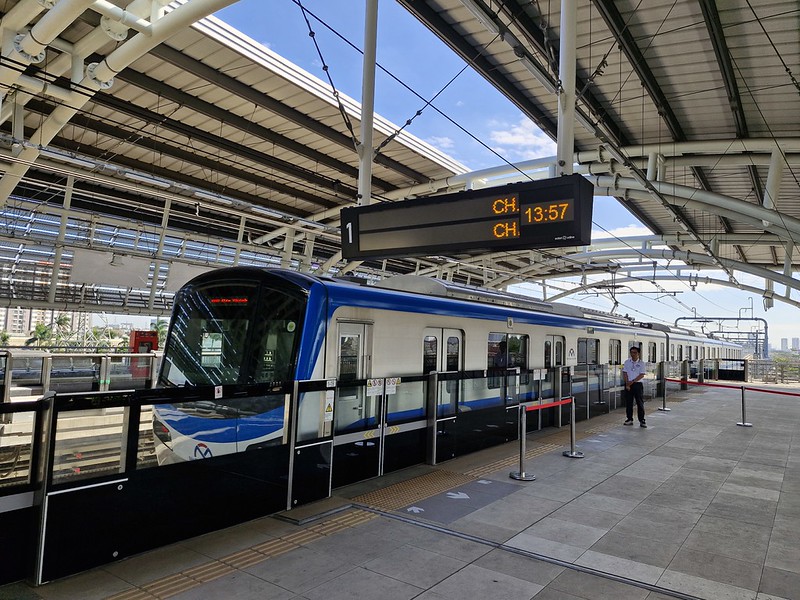
Vietnam's Metro Line 1 has been one of the most significant infrastructure developments in Ho Chi Minh City's recent history. After years of delays and construction, the line entered full commercial operation and is now reshaping how expats and residents approach their daily commutes. This guide explains where Metro Line 1 goes, how much it costs, which expat areas it serves, and how it fits into the broader transport picture for those living in Saigon in 2026.
Metro Line 1 Route and Stations: What Expats Need to Know
Metro Line 1 runs from Ben Thanh station in District 1, the city's commercial centre, northeast through Thu Duc City, terminating at Suoi Tien station near the district border. The line covers approximately 19.7 kilometres and includes 14 stations, with both underground sections in the city centre and elevated sections as it moves toward the northeast. Key stations for expats include Ben Thanh (District 1), Ba Son (connecting to waterfront development areas), Van Thanh (District Binh Thanh), Thu Duc (serving the university and tech park area), and Suoi Tien (the northeastern terminus). The line directly serves many of the residential areas in the Thu Duc City corridor that have become popular with expats, particularly those working in the technology and education sectors.
Metro Line 1 Fares and Ticketing in 2026
Fares on Metro Line 1 are structured by distance, with single journey tickets priced affordably relative to Western metro systems. The minimum fare for short journeys is around 6,000 VND (approximately $0.25), while the maximum single fare across the full line is around 20,000 VND (approximately $0.80). Monthly passes are available for regular commuters and represent a significant saving for daily users. Tickets can be purchased at station vending machines, and stored-value cards similar to an Oyster card or Octopus card system are available, allowing tap-in and tap-out journeys without the need to buy individual tickets each time. The payment system also accepts contactless bank cards at most stations, which is convenient for expats who have not yet set up a stored-value card.
How Metro Line 1 Changes Expat Commutes
For expats living in District 2, Binh Thanh, or along the Thu Duc corridor and working in District 1, Metro Line 1 offers a genuine alternative to sitting in Grab cars or riding motorbikes through congested traffic. Journey times between Ben Thanh and stations in the Thu Duc area that previously took 45 to 90 minutes by road during peak hours can now be completed in 20 to 30 minutes by metro. This is a fundamental quality-of-life improvement for commuters on this corridor. The metro also runs on a reliable schedule with air-conditioned carriages, making it a more comfortable option than road transport, particularly during the hot season or during heavy rain when road conditions deteriorate significantly.
Connecting Metro Line 1 to Other Transport
The full potential of Metro Line 1 for expat commuters depends heavily on how well it connects to other transport modes at each end of the journey. Grab and motorbike taxis are available at all stations, making last-mile connections straightforward in most cases. Several stations have dedicated bus connections, and the city has developed some park-and-ride facilities at outer stations for those who drive or ride motorbikes to the station from surrounding residential areas. For cyclists, some stations have bike storage facilities, and the growing integration of VinBike bicycle sharing near metro stations is improving the multi-modal connection further. From Ben Thanh station, connections to the bus network, taxis, and city centre destinations on foot are all convenient.
Limitations of Metro Line 1 for Expat Travel
Despite its benefits, Metro Line 1 does not serve all expat areas equally. District 7 (Phu My Hung), which has one of the largest expat communities in the city, is not on the Metro Line 1 route and remains dependent on road transport. District 3, District 10, and other central districts not directly on the metro corridor also require connecting transport from the nearest station. The operating hours of the metro, typically from early morning to around 10pm or 11pm, also limit its usefulness for late-night travel. Expansion plans for additional metro lines are in development, but practical timelines for those lines opening remain uncertain in 2026.
Metro Line 1 and Property Values Along the Corridor
The opening of Metro Line 1 has had a measurable impact on property values and rental demand along its corridor. Apartments and houses within walking distance of stations, particularly in the Thu Duc area, have seen increased interest from both buyers and renters who value the commute convenience. For expats considering where to rent, proximity to a metro station now adds genuine daily value that was not there before the line opened. This is particularly relevant in newer residential developments that were built in anticipation of the metro, many of which marketed metro access as a key selling point. Working with a real estate agent who understands the metro corridor and its impact on rental values is advisable for anyone relocating to these areas.
Related Articles
- Cycling in Ho Chi Minh City 2026 - Is biking a realistic transport option for expats in Saigon?
- US Expat in Ho Chi Minh City 2026 - Practical guide for Americans covering all aspects of living in Saigon.
- Moving to Ho Chi Minh City 2026 - Complete expat relocation checklist to help you settle in quickly.
