
Short-Term vs Long-Term Rental in HCMC 2026: Which Makes More Sense for Expats?
25 May, 2026
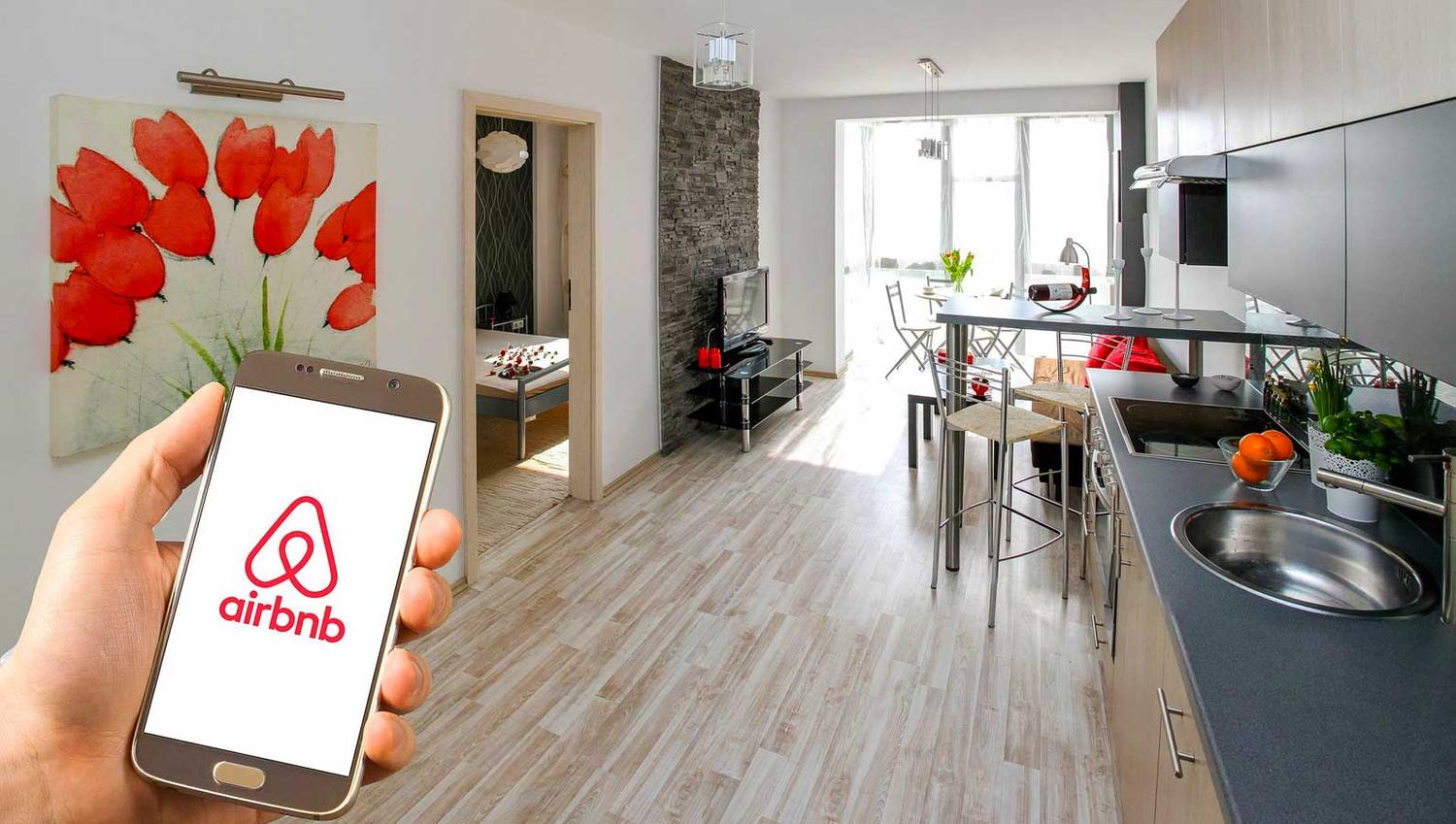
Choosing between a short-term and a long-term rental in Ho Chi Minh City is one of the most consequential early decisions for incoming expats. The rental market in HCMC in 2026 offers both options across a wide range of buildings and price points, and the right choice depends on the clarity of your timeline, your budget, and how much flexibility you need while getting settled in Saigon.
Defining Short-Term and Long-Term Rentals in HCMC
In the context of Ho Chi Minh City's rental market, a short-term rental typically refers to a lease of less than six months, often structured on a monthly basis. These are most commonly found in serviced apartment buildings, which provide hotel-like amenities alongside private living spaces. Long-term rentals generally refer to leases of twelve months or more, signed directly with a landlord or through an agent, usually in standard condominium buildings or villas. Some landlords in HCMC also offer six-month leases as a middle ground, though these are less common and typically carry a premium over the standard twelve-month rate.
Cost Comparison: Short-Term vs Long-Term in 2026
Short-term rentals in HCMC carry a meaningful price premium over long-term leases. A serviced apartment rented on a monthly basis in areas like District 1 or Thao Dien will typically cost 30 to 50 percent more per month than a comparable unfurnished or furnished unit rented on a twelve-month lease in the same neighbourhood. For a one-bedroom serviced apartment in central districts, monthly rates in 2026 typically range from 1,200 to 2,500 USD per month, while a one-bedroom furnished apartment on a twelve-month lease in a mid-range condominium in the same area might rent for 700 to 1,200 USD per month. The cost difference over six months can easily exceed 3,000 to 5,000 USD, making the duration calculation a financially significant one for most expats.
Flexibility: The Core Advantage of Short-Term Rentals
The primary argument for short-term rentals is flexibility. Newly arrived expats who are unfamiliar with Ho Chi Minh City's neighbourhoods, traffic patterns, and lifestyle differences often benefit from spending their first one to three months in a serviced apartment before committing to a long-term lease in a specific area. This period allows you to explore whether you prefer the bustle of District 1, the expat-heavy community of Thao Dien, the more local character of Binh Thanh, or the family-oriented environment of District 7. Changing your mind after signing a twelve-month lease is costly, as breaking a lease in Vietnam typically requires forfeiting the security deposit and potentially paying additional penalties depending on the lease terms.
Stability: The Core Advantage of Long-Term Rentals
Long-term leases provide price certainty and stability that short-term arrangements cannot match. Locking in a twelve-month rate protects you from market fluctuations, and in a period of rising rental demand in HCMC, this can represent meaningful savings compared to renewing or renegotiating monthly. Long-term leases also give you more leverage to negotiate on price, furnishing upgrades, maintenance responsibilities, and other lease terms. Landlords in HCMC generally offer better rates and more flexible conditions to tenants who commit to longer terms, as the certainty of occupancy has real value for property owners navigating a competitive market.
Legal Considerations for Expat Rentals in HCMC
Vietnamese law permits foreigners to rent residential property, but lease terms and registration requirements vary. Long-term leases are typically formalised with a written contract in both Vietnamese and English, which should include clear terms on rent amount, payment schedule, deposit, maintenance responsibilities, and termination conditions. For short-term rentals in serviced apartment buildings, the management company handles most administrative processes, simplifying the experience for newly arrived expats. It is advisable to have any long-term lease reviewed by a local lawyer or trusted agent before signing, particularly for higher-value properties or leases with complex conditions.
Serviced Apartments vs Standard Condominiums
Short-term rentals are most commonly found in serviced apartment buildings, which include on-site management, housekeeping, concierge services, and often utilities bundled into the monthly rate. Standard condominiums, which make up the bulk of the long-term rental market in HCMC, require tenants to manage utilities independently, arrange their own cleaning, and deal directly with the landlord or a property management agent for maintenance issues. For expats arriving without local support or corporate relocation assistance, the all-inclusive nature of a serviced apartment can justify the higher cost during the initial settlement period.
Which Option Is Right for You in 2026?
If you are arriving in Ho Chi Minh City without certainty about your neighbourhood preference, the duration of your stay, or your workplace location, starting with a one to two month serviced apartment stay before transitioning to a long-term lease is a sensible strategy. If you have already visited HCMC, have a clear sense of where you want to live, and are committed to a stay of at least twelve months, going directly to a long-term lease will save you a significant amount of money and provide a more settled living experience from the outset. For corporate expats with relocation support, the decision is often made easier by company policy, but independently relocating expats should weigh the financial trade-offs carefully before defaulting to the convenience of a serviced apartment for longer than necessary.
Related Articles
- Furnished vs Unfurnished Apartments in HCMC 2026 - Compare costs and practicalities of furnished and unfurnished rental options.
- US Expat in Ho Chi Minh City 2026 - Practical guide for Americans covering all aspects of living in Saigon.
- Air Quality in Ho Chi Minh City 2026 - AQI levels, health impacts, and practical tips for protecting yourself in Saigon.
