
French Community in Saigon 2026: Schools, Cafés & Thảo Điền Guide
19 May, 2026
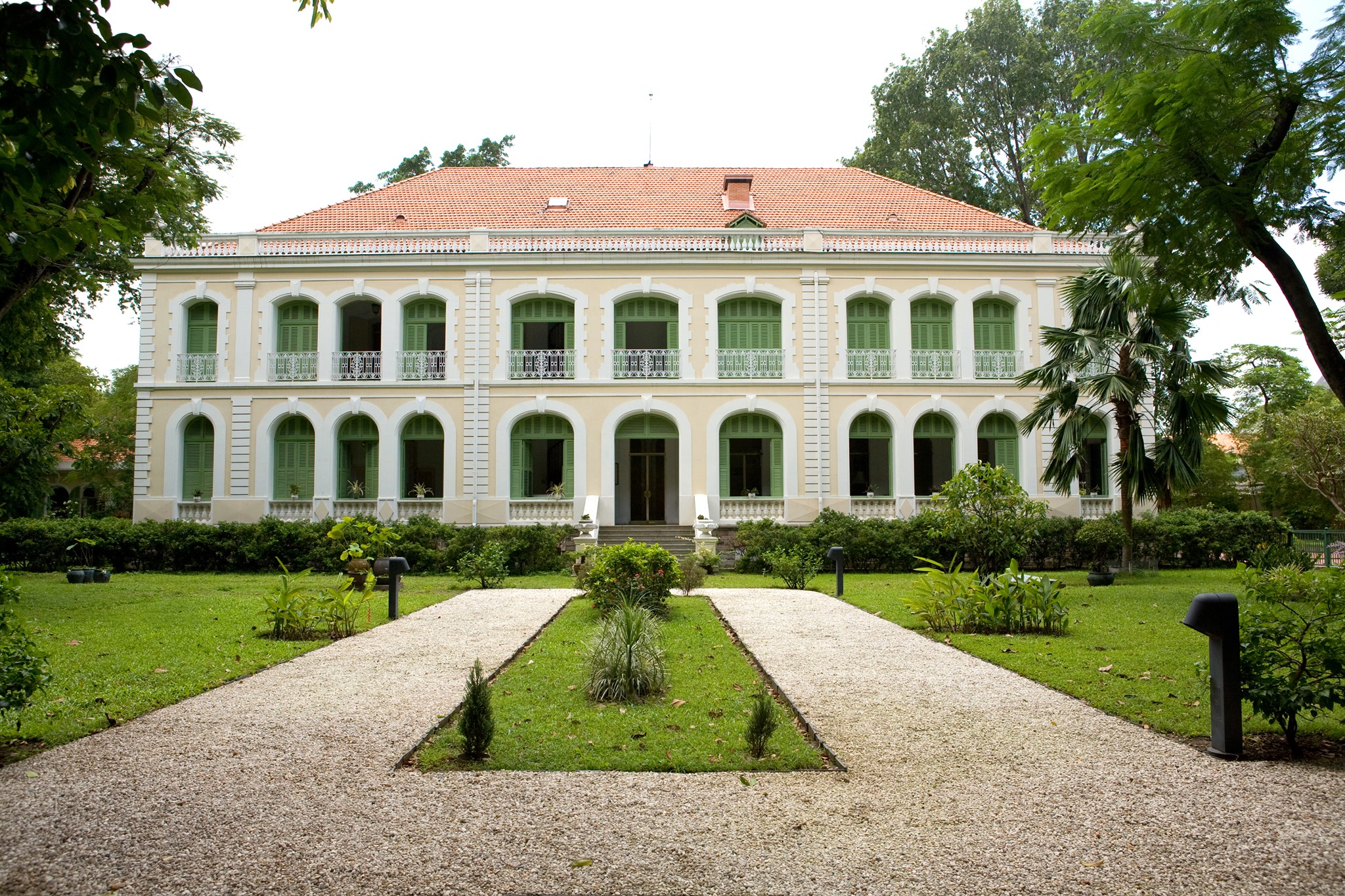
If you're part of the French community in Saigon or considering a move here, you're joining one of Southeast Asia's most established European expat networks. Ho Chi Minh City has become a genuine second home for French families, diplomats, entrepreneurs, and remote workers—and 2026 shows no signs of that trend slowing down.
The French Community in Saigon: A Living Legacy
The French community in Ho Chi Minh City isn't just a transient group passing through. It's a deeply rooted, multi-generational presence that dates back to the colonial era and has evolved into something more complex and culturally alive. Today, roughly 8,000–10,000 French nationals call Saigon home, making it one of the largest European expatriate populations in Vietnam.
What makes this community different from other expat bubbles in Southeast Asia is the sense of continuité—continuity. French schools here aren't just English-language institutions with French flags; they're accredited by the French Ministry of Education. French restaurants serve dishes that would pass muster in Lyon. And the cultural calendar is packed with Bastille Day celebrations, film festivals, and literary events that feel genuinely rooted, not performative.
The community isn't confined to a single neighborhood, but certain areas—particularly District 2's Thảo Điền and An Phú—have become the gravitational centers where French families naturally cluster. You'll find it's often the practical appeal: good schools, quiet streets, reliable expat networks, and apartments designed for longer-term living.
Thảo Điền District 2: Why French Families Choose This Neighborhood
Thảo Điền has quietly become the French quarter of Saigon, though you won't see it marketed that way. It's a green, tree-lined neighborhood on the eastern bank of the Saigon River—about 15 minutes from District 1's downtown chaos, and that distance matters. For French families, the appeal is tangible: international schools, supermarkets stocked with French products, and cafés where you'll hear French spoken as naturally as Vietnamese.
The architecture in Thảo Điền ranges from modern mid-rise apartments to spacious villas, which means you're not forced into a single lifestyle. Young professionals or couples often rent comfortable apartments (many with gyms and pools), while families with children tend toward villas with gardens—easier for kids, easier for hired help, and genuinely cheaper than you'd expect. Walk along Quốc Hương Street or near the Thảo Điền Sacred Heart Church, and you'll see the neighborhood's French influence in subtle ways: the quality of cafés, the bilingual signage, the presence of French bakeries.
We have excellent apartments available in Thảo Điền District 2 ranging from modern 2-bedroom units (8–12 million VND/month) to premium villas (25–50 million VND/month+). Many are rented directly by French owners or long-term expat families, which means they understand what French tenants need: reliable hot water, good WiFi, reasonable lease terms, and landlords who don't vanish when things break.
International Schools: Where French Education Meets Saigon
Education is the anchor decision for any family move, and this is where the French community in Saigon has real institutional strength. There are three standout French-accredited schools that dominate expat family conversations:
Lycée Français International Alexandre Yersin (LFAEY) in District 7 is the flagship. It follows the French baccalauréat curriculum and serves roughly 1,200 students from nursery through Grade 12. The campus is genuinely impressive—proper sports facilities, science labs, and a library that feels like it belongs in a European city. Tuition runs 300–500 million VND annually depending on grade level, which is steep, but families consistently report it's worth the investment if you're staying beyond three years. The expat parents' community here is strong—think book clubs, weekend outings, and genuine friendships that extend beyond the school gate.
Saigon Star International School (in District 2, near Thảo Điền) offers an IB curriculum with a strong French language program. It's slightly more relaxed than LFAEY and better positioned geographically if you're living in Thảo Điền. Tuition is comparable (280–450 million VND annually), and the school has excellent sports and arts programming.
École Française Saigon is smaller and more intimate, serving pre-K through Grade 6 families who either plan to transition their kids to secondary school abroad or are looking for a gentler international introduction. It's less formal than the larger institutions, and families often describe it as "more personal."
Beyond traditional French schools, many French families choose international options like BIS (British International School) or Saigon South International School. The point: you're not locked into a single educational pathway. The French community here is savvy about mixing approaches based on family timelines and ambitions.
French Cafés, Restaurants & Saigon's Food Culture
One honest truth: Saigon's French restaurant scene is uneven. You won't find the consistency of Paris, obviously. But you will find pockets of genuine excellence and, more importantly, authenicity that appeals to French expatriates who've been here for years.
Café Culture in Thảo Điền & District 1:
Start with the cafés. Thảo Điền has a handful of genuinely good French-Vietnamese coffee spots where morning conversations happen in both languages. Places like Cà Phê Huế (technically Vietnamese, but beloved by the French expat crowd) and smaller roastery-cafés near the church serve excellent coffee and are genuinely social spaces. District 1's Dong Khoi Street and the Old Quarter have more established French café culture—Cafe Morey, Ciao Café—where you'll encounter a mix of tourists and long-term expats. They're tourist-friendly but not touristy in a way that feels hollow.
Dining:
Autour du Puits (District 1) is the closest thing to an upscale French bistro you'll find—proper terrines, good wine list, and prices that reflect it (entrees 200–350K VND). Maison Marou combines French pastry with Vietnamese flavors in a way that works. And for casual Saturday lunches, the Saigon South International School area has several French bakeries and casual bistros catering to the expat weekend rhythm.
The reality: you're not in France, and the French community here understands that. What they value is ingredients and intention—places that source carefully and respect technique. That exists here, scattered but present.
Practical Logistics: Healthcare, Banking & Expat Services
The French community in Saigon benefits from established support infrastructure that makes longer-term living manageable. The French Embassy has consular services, and there's an active Association Française du Viêt Nam that organizes cultural events, networking, and mutual support.
Healthcare is straightforward for French expats. Many French nationals use Cho Ray Hospital (Vietnamese government hospital with French-speaking doctors) or FV Hospital (Saigon's premier international facility, with French doctors on staff). French expats tend to carry international health insurance or use French reciprocal healthcare agreements—consult the Embassy for current details.
Banking & Paperwork: Saigon's major banks (Vietcombank, Techcombank, BIDV) all handle expat accounts, though the process requires patience and documentation. The French Chamber of Commerce (Chambre de Commerce et d'Industrie France Vietnam) helps with business registration and tax questions.
Neighborhoods Beyond Thảo Điền: While we've emphasized Thảo Điền, other French families live comfortably in An Phú (District 2)—quieter, more residential, with excellent villas—and District 7 (close to LFAEY school, more modern apartment blocks). We have listings in all these areas. Browse our full apartment collection for District 2 to compare neighborhoods side by side.
Making the Move: Rental Options for French Families
Whether you're arriving for a corporate assignment, remote work, or a deliberate lifestyle choice, finding the right apartment or villa shapes your entire Saigon experience. The French community here has learned that short-term flexibility beats long-term commitment if you're uncertain about staying.
Most French families start with furnished apartments (rentals: 12–24 months), which gives you time to test neighborhoods, schools, and the city itself. Unfurnished places are cheaper but require more patience to decorate and set up utilities. Villas appeal to families planning to stay 3+ years or those wanting more space for children and domestic staff.
A practical tip from years of working with French expat clients: negotiate lease terms upfront. Vietnamese landlords are often more flexible than the formal paperwork suggests, especially if you're willing to pay a few months in advance. And always—always—use a broker or agent you trust. The protection is worth 10–15% of your first month's rent.
We work regularly with French families relocating here, and we know what questions to ask: Where will your kids study? Do you need a gym? Is proximity to French cafés important? How much space do you actually need versus what you think you need? We help you avoid the classic mistake: renting the biggest, fanciest place and discovering three months later it doesn't match your life.
Check out our curated apartment listings for District 1 and our villa options across the city to see what's currently available.
The Honest Reality: Why French Expats Stay (And Why Some Leave)
The French community in Saigon 2026 is stable and growing, but it's worth understanding why. French expats here cite three consistent reasons for staying: good education options, genuine cultural community, and economic opportunity. Remote workers and entrepreneurs find Saigon's cost of living and business environment compelling. Families appreciate that their kids can attend legitimate French schools. And the social scene—whether you're into wine tastings, cycling groups, or simply having friends who understand your cultural reference points—matters more than marketing usually admits.
That said, the honest challenge: it takes effort. The first three months are disorienting. The heat is real. Navigating Vietnamese bureaucracy requires patience and humor. If you're expecting Paris transplanted to Southeast Asia, you'll be disappointed. But if you're looking for a genuinely livable, culturally rich city with excellent schools, good food, reliable friends, and a real sense of belonging—not just visiting—Saigon works.
The French who stay longest are those who integrated, not those who insulated themselves in expat bubbles. Ironically, Saigon makes that easier than many expat destinations. The city itself invites it.
Ready to find your home in Ho Chi Minh City?
📞 Call / WhatsApp / Zalo: +84 909 457 542
📧 Email: info@vnrenthome.com
🌐 Browse listings: vnrenthome.comWe respond within a few hours — often faster.
