
Air-Con, Water Heaters & Common Studio Apartment Issues in HCMC 2026: A Renter's Fix-It Guide
21 Aug, 2026
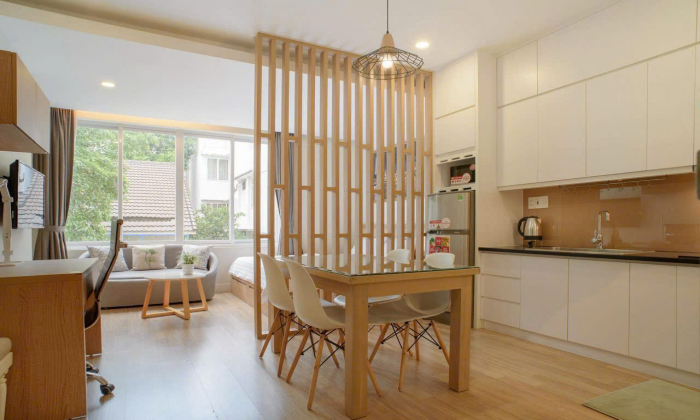
A studio apartment in Ho Chi Minh City is the easiest rental to move into and, in some ways, the easiest to maintain, since everything lives in one compact footprint. But that same compactness means a single failed air-con unit or a sluggish water heater affects your entire living space, not just one room. If you're already renting a studio apartment, or you're weighing one against a one-bedroom, here's what actually breaks, how much it costs to fix, and who should be paying for it.
Air-Con Problems in HCMC Studio Apartments
Most studio apartments run on a single wall-mounted split unit, which is usually enough for the room size but leaves you with zero backup if it fails. The two issues VNRentHome hears about most are weak cooling during the hot months from March through May, and a musty smell that builds up when the filter hasn't been cleaned.
Weak cooling is almost always a dirty filter, a slow refrigerant leak, or an outdoor compressor unit mounted too close to a wall where it can't vent heat properly, which is common in older studio buildings where units are packed tightly along a narrow balcony. Cleaning the filter is a five-minute job: slide out the front panel, rinse the mesh screen, let it air dry, and put it back. Anything beyond that needs a technician, and in a studio apartment building this is usually where things differ from a standalone house: many buildings have a maintenance contact on file with the landlord or the building office, so check your lease and your building's ground-floor desk before calling an outside repair service.
A musty smell almost always means the internal coil needs a proper clean, not just the filter. Budget for a full service every six to twelve months in a studio apartment, since the compact space means smells and stale air circulate faster than they would in a larger unit.
Water Heater Issues in Studio Apartment Rentals
Studio apartments typically use a single instant electric water heater mounted above the shower, which is efficient but has almost no buffer if something goes wrong. The most common complaint is water that starts hot and turns lukewarm within a few minutes, which usually points to a heating element that can't keep pace with the flow rate rather than a full unit failure.
Before assuming the heater is broken, check that the flow selector or shower head isn't set to maximum pressure, since instant heaters need a certain amount of resistance to heat water properly, and a high-flow shower head can outpace the unit's capacity. If the water is cold from the start, that's more likely a tripped breaker or a fuse inside the heater itself. In most studio apartment buildings, this falls under the landlord's responsibility if the unit is original to the property, so raise it in writing rather than paying for a technician out of pocket first.
Electrical Capacity and Circuit Tripping in Small Studio Apartments
This catches a lot of first-time renters off guard. Studio apartments in older buildings were often wired for a single occupant running a fan and a fridge, not a modern setup with air-con, a washing machine, and a full kitchen's worth of small appliances all pulling power at once. The result is a breaker that trips in the late afternoon, right when the air-con is working hardest against the heat outside.
If this happens more than once, it's worth asking the building management or landlord whether the unit's circuit has been upgraded since the building was built, and whether the washing machine and air-con are on separate breakers. It's a fair question to ask during a viewing, and in a well-managed studio apartment building the front desk usually has this information on hand immediately.
Building Management and Noise Issues in Studio Apartment Buildings
One real advantage of a studio apartment over a standalone townhouse is that most sit inside a managed building with a front desk, a technician on call, and a general manager you can escalate to if a landlord is slow to respond. Use that channel. A good building management office will log a maintenance request and follow up, which takes the pressure off you having to chase your landlord directly for every small issue.
The trade-off is shared walls and shared corridors, so noise from neighbouring units, especially in older studio apartment buildings without much soundproofing between floors, is a common complaint. If noise becomes a real problem, building management can usually intervene faster than a landlord who doesn't live on site, so it's worth knowing the office hours and the best way to reach them before you need them.
Who Pays for Studio Apartment Repairs: A Practical Framework
The general rule in most Ho Chi Minh City studio apartment leases is that small, low-cost maintenance, like filter cleaning or replacing a light bulb, is the tenant's responsibility, while larger repairs to major appliances or anything tied to normal wear falls to the landlord. Vietnamese-language leases don't always spell this out clearly in English, so it's worth asking for a maintenance clause in writing before you sign rather than discovering the answer mid-dispute.
A studio apartment that's been vetted through an agent, with a landlord known to respond quickly, avoids most of this friction entirely. If ongoing maintenance headaches are a dealbreaker for you, it's worth comparing a studio against a fully serviced apartment, where maintenance is bundled into the monthly rate rather than something you chase yourself. Many of the studio apartments we place tenants in sit in District 1 buildings with responsive management, and browsing our full range of apartments across Ho Chi Minh City is a good way to compare what's actually included before you commit to a lease.
Ready to find your home in Ho Chi Minh City?
📞 Call / WhatsApp / Zalo: +84 909 457 542
📧 Email: info@vnrenthome.com
🌐 Browse listings: vnrenthome.com
We respond within a few hours, often faster.
