
Empire City 2026: Rental Prices, Floor Plans & Is It Right for Expats?
20 Aug, 2026
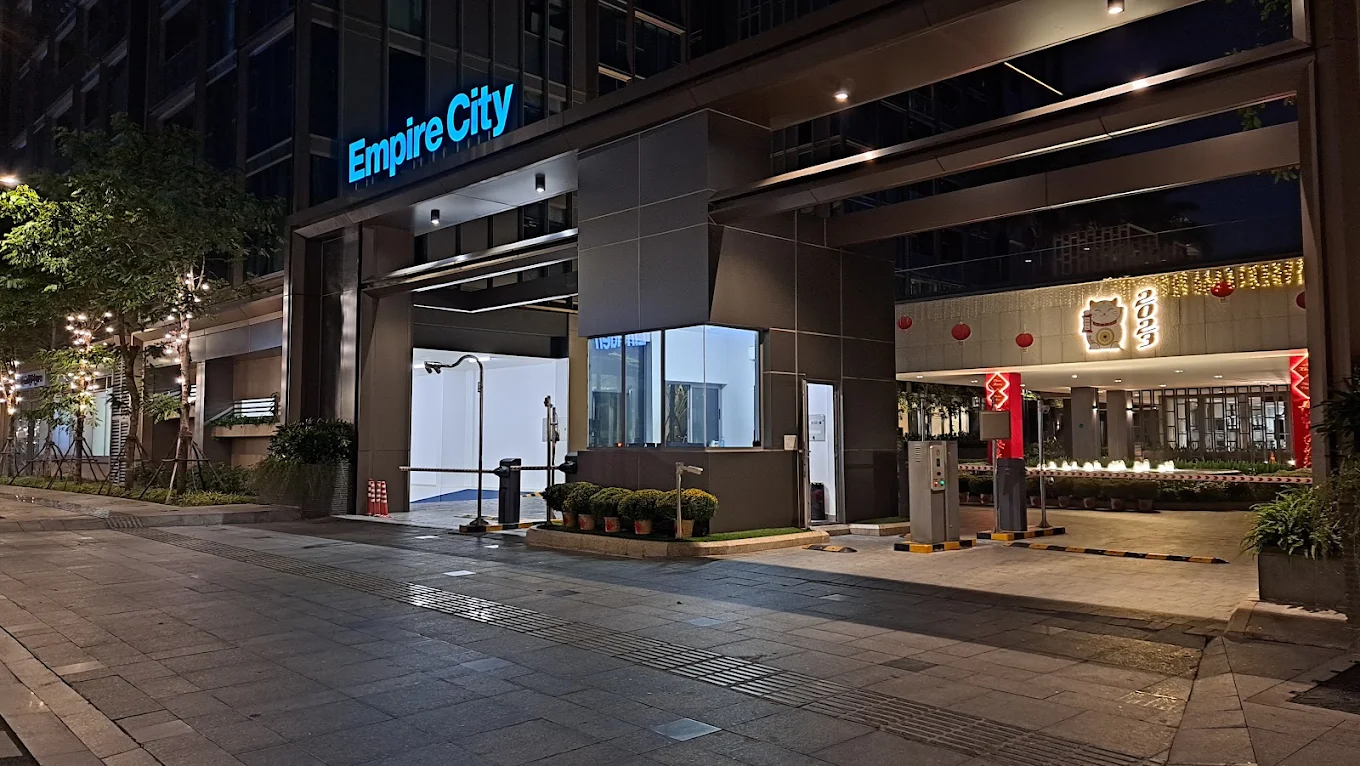
If you've searched for "empire city rental 2026 expat," you've probably already seen the skyline photos of Empire City's landmark tower rising over the Saigon River. What most listings don't tell you is what it actually costs to rent here in 2026, which floor plans work for which kind of tenant, and whether the location suits your daily routine. This guide answers those questions directly.
Empire City Thu Thiem: Location and Overview
Empire City sits on the Thu Thiem peninsula in District 2, directly across the Saigon River from District 1's downtown skyline. The roughly USD 1.2 billion development was built by Keppel Land together with local partners, and it combines residential towers, retail, and office space in one riverfront precinct. For tenants, the appeal is straightforward: five to ten minutes by car or ride-hail to the central business district, without living inside the noise and density of District 1 itself.
The Thu Thiem area has been developing quickly, and Empire City is one of the more established projects in the zone, alongside neighbouring developments like The River and Metropole Thu Thiem. Roads, the new pedestrian bridge to District 1, and retail at the base of the towers have matured enough that day-to-day life here now feels genuinely convenient rather than still under construction.
Empire City Apartment Rental Prices in 2026
Rental prices at Empire City vary widely by tower, floor, view, and furnishing standard, but current 2026 listings generally fall into these ranges:
- One-bedroom units: roughly USD 700 to 1,450 per month
- Two-bedroom units: roughly USD 1,000 to 1,600 per month, with the typical two-bedroom averaging around USD 1,540
- Three-bedroom units: roughly USD 1,300 to 2,000 per month
- Penthouses and larger layouts: from USD 3,000 up to USD 8,000 or more
Units on higher floors with unobstructed river or District 1 skyline views sit at the top of each range. Lower-floor units facing the interior of the complex, or those with older furniture packages, rent closer to the bottom. If you're comparing Empire City against other District 2 options, it's worth cross-checking prices against our broader District 1 apartment listings and Thao Dien apartments, since tenants often weigh Empire City against both areas before deciding.
Floor Plans and Unit Types at Empire City
Empire City's towers offer a fairly standard range of layouts, but a few details matter more than the marketing brochures suggest:
- One-bedroom units typically run 45 to 65 square metres, with an open kitchen-living area. These suit single professionals or couples who want low maintenance and a shorter commute into District 1.
- Two-bedroom units range from about 75 to 110 square metres, and this is the layout most in demand from small families and roommate pairs.
- Three-bedroom units start around 120 square metres and are aimed at families who want a home office or a room for live-in help.
- Balcony depth varies more than buyers expect. Some units have a narrow decorative balcony, while others have a genuine usable outdoor space. If having a real balcony matters to you, ask your agent for floor-specific plans rather than the generic marketing layout.
Is Empire City Right for Expats in District 2?
Empire City works well for expats who want proximity to District 1 without the price tag or density of living there directly, and who don't mind being on the newer, still-developing side of District 2 rather than the more established Thao Dien or An Phu neighbourhoods. It's a strong fit for finance and corporate professionals working downtown, and for couples or small families who prioritise river views and modern building management over walkable cafe culture.
It's a less natural fit if you want the established international-school-and-cafe ecosystem of Thao Dien, or if you prefer a landed villa with more outdoor space. Families with school-age children should also map out the commute to their specific school before committing, since Thu Thiem's road network, while improving, is still catching up to the pace of new residential towers.
Getting Around Thu Thiem and District 2 from Empire City
The single biggest practical question for anyone considering Empire City is transport. The Thu Thiem 2 Bridge and the pedestrian tunnel connections to District 1 have cut travel times noticeably, and most residents report a 10 to 20 minute door-to-door commute into the central business district during normal traffic. Grab and taxi availability around the towers is reliable given the volume of residents and office workers in the precinct.
If you plan to spend time in Thao Dien or An Phu for schools, restaurants, or socialising, budget an extra 15 to 25 minutes each way, since those neighbourhoods sit further along the District 2 riverside. Comparing serviced options is also worth doing before you commit to a long lease; our serviced apartments in District 1 page is a useful reference point if you want to weigh a fully serviced downtown option against Empire City's residential towers.
Empire City is a solid choice for the right tenant profile, but it's not a one-size-fits-all answer for every expat moving to Ho Chi Minh City. The best next step is walking a few units at different floor levels so you can compare views, noise, and layout in person before signing anything.
Ready to find your home in Ho Chi Minh City?
📞 Call / WhatsApp / Zalo: +84 909 457 542
📧 Email: info@vnrenthome.com
🌐 Browse listings: vnrenthome.com
We respond within a few hours, often faster.
