
Commuting From District 10 2026: Grab Costs, Metro Access & Traffic Tips for Expats
12 Aug, 2026
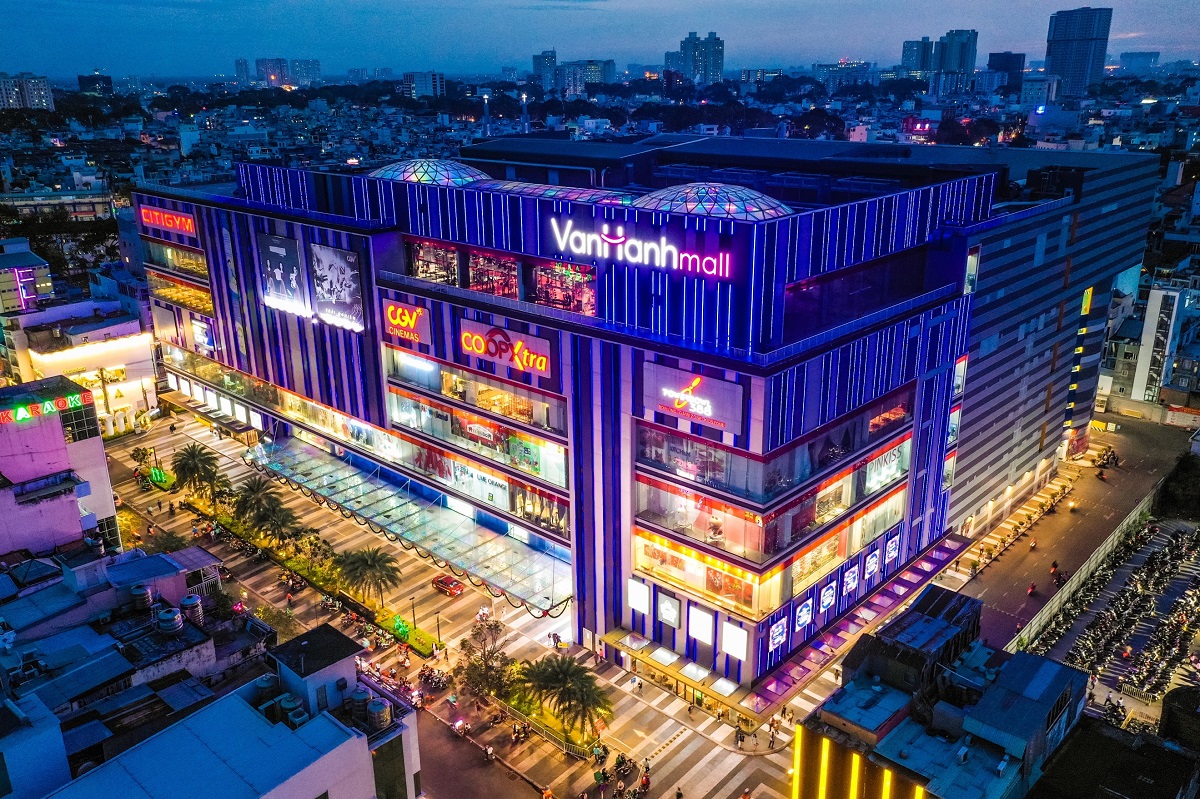
District 10 comes up often when expats are comparing neighborhoods on price against commute time. It sits close enough to the center of the city to keep daily travel manageable, but far enough from District 1 and District 2 that a new tenant should know what to expect before signing a lease. Here's what commuting from District 10 actually looks like in 2026.
Grab Costs From District 10 to the City Center
A typical Grab car ride from District 10 into District 1 runs somewhere between 60,000 and 120,000 VND depending on time of day, traffic, and exact pickup point. Grab bike fares are considerably cheaper, often half that, and remain the faster option during heavy traffic since motorbikes can filter through congestion that stops cars entirely.
Expats commuting daily from District 10 to offices in District 1 or District 3 usually settle into a routine of Grab bike in the morning and either Grab car or a private vehicle in the evening, once the heat and traffic make a car more comfortable. Monthly Grab spend for a daily commuter from District 10 typically lands in the 1.5 to 3 million VND range, which is worth factoring into your budget alongside rent.
Metro Line 1 Access From District 10
Metro Line 1 has changed how a lot of District 10 residents think about commuting, though access depends heavily on which part of the district you're in. Tenants near the district's eastern edge have a shorter walk or short Grab ride to a station, while those closer to the western boundary still rely mostly on road transport to reach the line.
Once you're on Metro Line 1, travel time into District 1 and onward toward District 2 drops significantly compared to a road-only commute during rush hour. For expats prioritizing a predictable commute over flexibility, it's worth checking a specific building's walking distance to the nearest station before committing to a lease in District 10, since even a ten-minute difference in walk time changes the calculation.
Trains on Line 1 run at intervals that make the metro genuinely usable for a daily commute rather than an occasional novelty, and the ride itself is air-conditioned and predictable in a way that road traffic simply isn't. A short Grab bike ride to the nearest station, followed by a metro leg, often beats a door-to-door car ride during the worst parts of rush hour, even though it involves one more transfer. For tenants who work standard office hours, pairing a District 10 lease with a station-adjacent building is one of the more reliable ways to keep a long-term commute manageable as the city's transit network continues to expand.
Traffic Patterns and Rush Hour in District 10
Traffic out of District 10 follows a predictable rhythm: heavy between 7:30 and 8:30 in the morning, and again from about 5:00 to 6:30 in the evening. Streets leading toward District 1 and District 3 bear the brunt of it, and outbound traffic toward District 2 in the evening adds another layer of congestion during peak hours.
Tenants who can shift their commute even thirty minutes earlier or later than the peak window consistently report a noticeably smoother ride, whether by Grab, motorbike, or car. It's a small adjustment that makes a real difference in a city where traffic, not distance, usually determines how long a commute actually takes.
Weekend and Off-Peak Travel From District 10
Outside of rush hour, District 10 is noticeably easier to get around. Weekend Grab fares run lower than weekday peak pricing, and travel time into District 1 or District 3 for dinner or errands rarely exceeds fifteen to twenty minutes door to door. Many tenants use weekends to explore neighborhoods further out, since District 10's central position makes it a reasonable base for day trips without a long return commute at the end of the day.
Off-peak weekday travel, such as an early morning grocery run or a mid-afternoon appointment, also tends to move quickly. Tenants who have some flexibility in their schedule often shift errands and non-work travel outside the two daily rush windows entirely, which keeps overall transport costs and time spent in traffic noticeably lower across a typical month.
Choosing a Home Near District 10 for an Easier Commute
If your work is concentrated in District 1, it's worth weighing District 10 against neighborhoods with a shorter or more predictable ride, such as an apartment in District 1 itself, or Binh Thanh, which offers a similar price-to-commute tradeoff with slightly different traffic patterns. District 10 remains a solid choice for tenants who want more space or lower rent and are comfortable trading a bit of extra commute time for it.
For anyone still comparing neighborhoods across the city, browsing the full range of apartments for rent in Ho Chi Minh City is a useful way to see how District 10 pricing stacks up against more central options before deciding.
Good to Know
Commuting from District 10 in 2026 is manageable, not effortless. Grab remains the backbone of most daily commutes, Metro Line 1 helps for those close enough to a station, and timing your departure around rush hour matters more than almost anything else. Tenants who plan around these three factors tend to settle into District 10 without much friction.
Ready to find your home in Ho Chi Minh City?
📞 Call / WhatsApp / Zalo: +84 909 457 542
📧 Email: info@vnrenthome.com
🌐 Browse listings: vnrenthome.com
We respond within a few hours, often faster.
