
American International School Vietnam 2026: Fees, Curriculum & Nearby Rentals for Expat Families
31 Jul, 2026
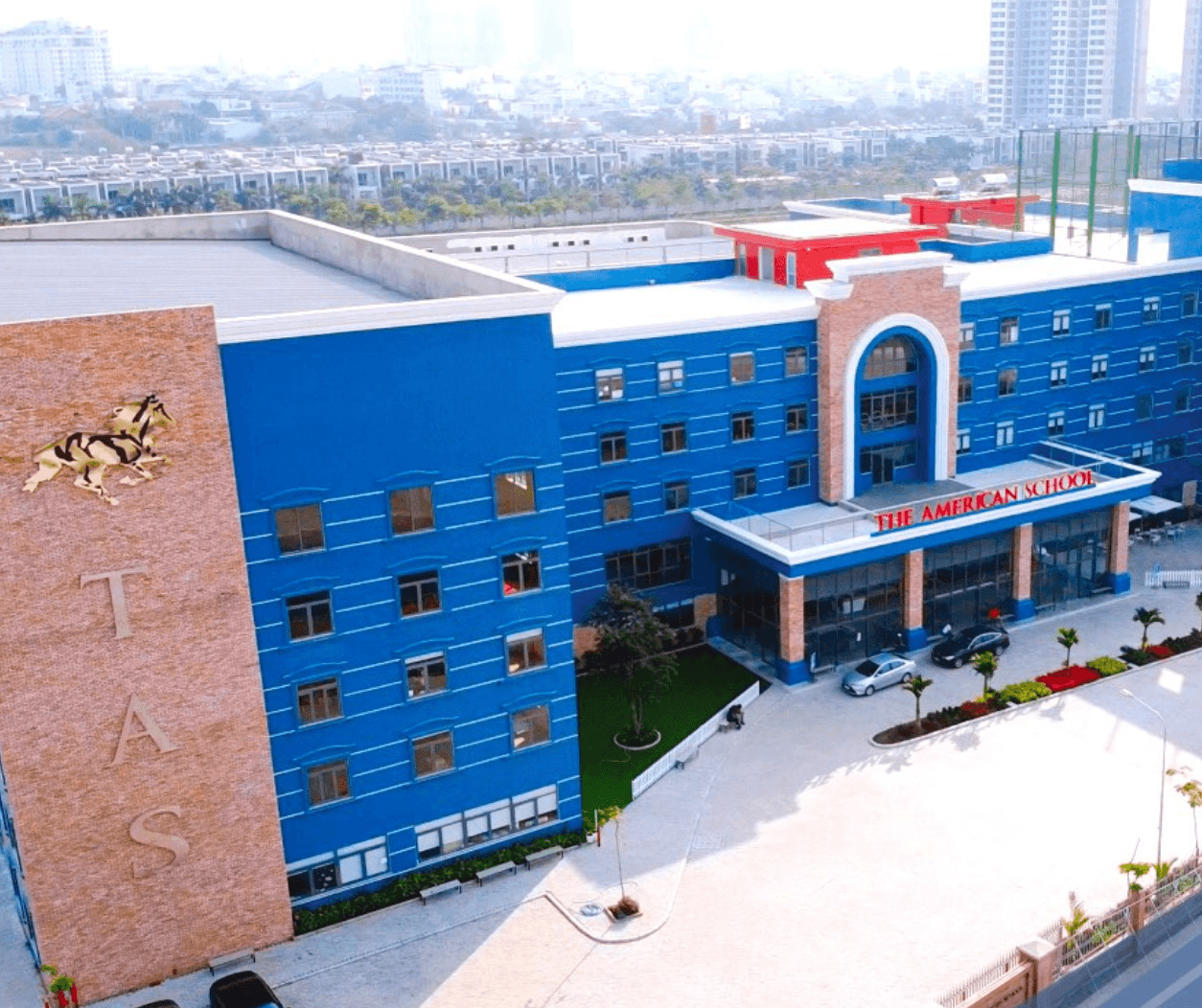
Choosing a school is usually the single decision that determines where an expat family ends up living in Ho Chi Minh City, more than budget or building amenities. American International School Vietnam (AISVN) is one of the names that comes up early in that search, and for families weighing it against the city's other American-curriculum options, the practical questions are always the same: what does it actually cost, what's the curriculum like, and which neighbourhoods make the daily commute manageable. This guide covers all three for 2026.
What Curriculum Does American International School Vietnam Follow?
American International School Vietnam runs a US-style curriculum built around American Common Core standards through the primary and middle years, moving into an Advanced Placement (AP) program for high school students aiming at US and international university admissions. The school follows a standard American academic calendar, with the school year starting in August and finishing in May or June, which matters for families relocating mid-year from a Vietnamese public system or a different international calendar.
Class sizes and teacher-to-student ratios are the two data points most families ask about directly, and these vary by grade level and by year as enrollment shifts, so it's worth requesting current figures directly from admissions rather than relying on marketing material, since class sizes are one of the few things that change year to year even when everything else about a school stays consistent.
American International School Vietnam 2026 Fee Structure
Tuition at American International School Vietnam, like most American-curriculum international schools in HCMC, is tiered by grade level, rising from early years through to the senior high school grades. On top of tuition, families should budget for a one-time enrollment or capital fee, annual resource or facilities fees, school bus transport if used, uniforms, and extracurricular activities that sit outside the core tuition package. Total annual cost, all-in, typically runs well above the tuition sticker price alone, which catches some newly arrived families off guard if they've only budgeted against the headline number.
Because fee structures are revised annually and vary by grade and by whether a sibling discount or corporate partnership applies, the only reliable source for exact 2026 figures is the school's admissions office directly. What VNRentHome can help with is the other half of the equation: making sure your housing budget and location choice work alongside whatever the school costs turn out to be, so you're not choosing between a good commute and an affordable lease.
Where Expat Families Live Relative to American International School Vietnam
Families with children at American-curriculum schools in Ho Chi Minh City tend to cluster in a small number of neighbourhoods, largely driven by school bus routes and drive-time to campus. District 2, particularly the Thảo Điền area, remains the most popular base for international-school families generally, thanks to its concentration of other expat households, international supermarkets, and a built-in social network of families doing the school run on the same schedule.
An Phú is the other strong option, often slightly better value on a per-square-metre basis than the most sought-after streets of Thảo Điền while still sitting on most of the same bus routes. Families who want more space, particularly those coming from suburban housing back home, frequently look at villas in Thảo Điền or villas in An Phú, which give a garden and more separation between bedrooms, useful when a household has more than one child on different sleep schedules.
What to Prioritize When Renting Near an International School in Thao Dien or An Phu
Bus route access matters more than straight-line distance. Two apartments that look equally close to campus on a map can have very different daily commute times depending on which bus route serves the building and how many stops precede it. Before signing a lease, it's worth confirming with the school's transport office whether your target building or street is already on an existing route, since adding a new stop to accommodate one family isn't always something schools will do mid-year.
Building amenities that support family life also matter more here than in a typical expat rental search: a functioning pool for weekend downtime, a playground or green space within the compound, and enough bedrooms to give each child their own room rather than doubling up, which becomes more important as children move through the school-age years. Noise and traffic on the direct approach to the building are worth checking at drop-off and pickup times specifically, since some streets that are quiet at 2pm are considerably busier at 7am.
Getting the School and Housing Search Right Together
The mistake VNRentHome sees most often is families finalizing a school choice and only then starting the housing search, which puts unnecessary pressure on finding the right apartment in a compressed timeframe. Running both searches in parallel, with a clear sense of which neighbourhoods work for the school's bus routes, gives more room to negotiate and more inventory to choose from. If you're weighing American International School Vietnam against other campuses, it's worth browsing available apartments across Ho Chi Minh City early, even before your enrollment decision is final, just to get a realistic sense of what's on the market in the districts you're considering.
Ready to find your home in Ho Chi Minh City?
📞 Call / WhatsApp / Zalo: +84 909 457 542
📧 Email: info@vnrenthome.com
🌐 Browse listings: vnrenthome.com
We respond within a few hours, often faster.
