
Registering Temporary Residence (Tạm Trú) in HCMC 2026
21 Apr, 2026
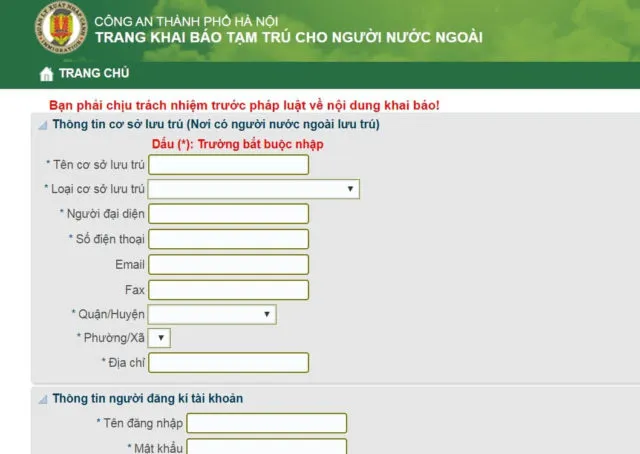
What Is Tạm Trú and Why Does It Matter?
Tạm Trú (Temporary Residence Registration) is the official process by which a foreign national notifies Vietnamese authorities of their place of residence while living in the country. It's required under Vietnamese law for any foreigner staying at a fixed address for overnight.
This isn't a formality. Without valid Tạm Trú, you're technically in violation of Vietnam's residence regulations — even if your visa is perfectly valid. In practice, it also matters for visa extensions, work permit applications, and any dealings with local government. Some banks and service providers will also ask for it.
Your landlord is legally obligated to assist with this process. If they refuse or are unaware of the requirement (which happens more often than you'd expect with private landlords), that's a red flag worth addressing before you sign the lease.
Documents Required: Foreigner's Checklist
Prepare these documents before going to the local ward police station (Phường):
From you (the tenant):
- Original passport + full colour copy (photo page + current visa page)
- Valid visa or temporary residence card (TRC)
- Completed declaration form (Tờ khai đăng ký tạm trú — provided at the station or downloadable from the Ministry of Public Security's website)
From your landlord:
- Original of their land use right certificate (sổ hồng or sổ đỏ) + copy
- Their national ID card (CCCD) + copy
- Signed lease agreement (your bilingual lease is acceptable — ensure it has both parties' signatures and a clear address)
If you're renting through an intermediary management company (common with serviced apartments), they typically handle the entire submission on your behalf. For villas and townhouses rented directly from individual owners, you'll usually be coordinating this with the landlord directly — this is where having an agent's support makes a real difference.
Step-by-Step Process
Step 1 — Collect all documents listed above. Your landlord must provide their originals on the day of submission, or authorise a representative with a notarised power of attorney.
Step 2 — Go to the ward police station (Công an Phường) in the ward where the property is located. Not the district police office — the ward level (phường) handles this. If you're in Thảo Điền, that's Công an Phường Thảo Điền; in Thủ Thiêm, it's the relevant Thủ Thiêm ward office post-merger.
Step 3 — Submit the paperwork. Officers will check originals, stamp the copies, and provide you with a receipt. Processing time is typically 3–7 business days, though some wards complete it in 1–2 days if the paperwork is clean.
Step 4 — Collect your Tạm Trú book (Sổ Tạm Trú) or receive the registration stamp in your passport, depending on the ward's process. Keep this document safely — you'll need it for visa renewals and work permit applications.
Step 5 — Renew when your registration expires. Tạm Trú is typically registered for the duration of your visa validity or lease term, whichever is shorter. When you renew your visa or extend your lease, you'll need to renew registration as well.
Common Mistakes and How to Avoid Them
Waiting too long after moving in. The 30-day window starts from the date you move in, not the date your lease begins. Submit within the first two weeks to be safe.
Landlord without the original sổ hồng. Some landlords rent out properties they don't fully own or whose title documents are tied up. This causes delays. Ask your landlord to confirm they have the original certificate before you sign.
Wrong ward office. HCMC has dozens of wards across its districts. Going to the wrong one wastes time. Confirm the exact phường for your address — District 2 listings and District 1 listings span multiple wards each.
Expired visa at time of submission. If your visa has expired, Tạm Trú cannot be processed, it is automate deleted on the System.
What to Expect from the Rental Process
At VNRentHome, Temporary Residence Registration support is included as part of the tenancy service — we walk you through the document checklist, coordinate with your landlord, and accompany you to the ward office if needed. Most of our clients complete the process within the first two weeks of moving in without any significant friction. If issues arise with the landlord's documentation, we help resolve them before submission.
Final Thoughts
Tạm Trú is a manageable process once you understand the steps — but it requires your landlord's cooperation and the right documents. Getting it done early saves you stress and keeps you fully compliant during your time in Vietnam. If you're unsure whether your prospective landlord is prepared to assist, that's a conversation worth having before you commit to a lease.
Ready to find your home in Ho Chi Minh City?
📞 Call / WhatsApp / Zalo: +84 909 457 542 📧 Email: info@vnrenthome.com 🌐 Browse listings: vnrenthome.com
We respond within a few hours — often faster.
Related Articles You May Find Useful
Explore more guides to help you make the most of expat life in Ho Chi Minh City:
- HCMC Rental Market Update Q1 2026 — Current rental prices across all major expat districts.
- HCMC Rental Market Update Q2 2026 — Latest price trends and Metro Line 1 impact.
- Luxury Villa Market in Thao Dien 2026 — Prices, supply and what expat families choose.
- New Apartment Projects in HCMC 2026 — Major developments reshaping the expat rental market.
- Serviced Apartment vs Condominium in HCMC 2026 — A practical comparison to help choose the right rental type.
- Villa Rental Price Guide Saigon 2026 — Complete villa rental prices across all HCMC districts.
- Expat Salary Guide Ho Chi Minh City 2026 — Budget your housing based on typical expat packages.
